Frequently Asked Questions
What role does water table play in septic design?
The role of the water table in septic design is crucial, as a high water table can inhibit the proper drainage and treatment of wastewater. It influences the selection and depth of septic systems to ensure effective functionality and compliance with regulations.
How do environmental factors influence septic system design?
Environmental factors significantly influence septic system design by determining soil capacity, groundwater levels, and local climate conditions. These elements dictate the type, size, and location of the system to ensure effective wastewater treatment and compliance with regulations.
How does water usage impact septic system design and size?
Water usage directly influences septic system design and size by determining the volume of wastewater generated. Higher water usage requires a larger system to accommodate the increased flow, ensuring efficient treatment and preventing system overload.
What is the purpose of a septic tank in system design?
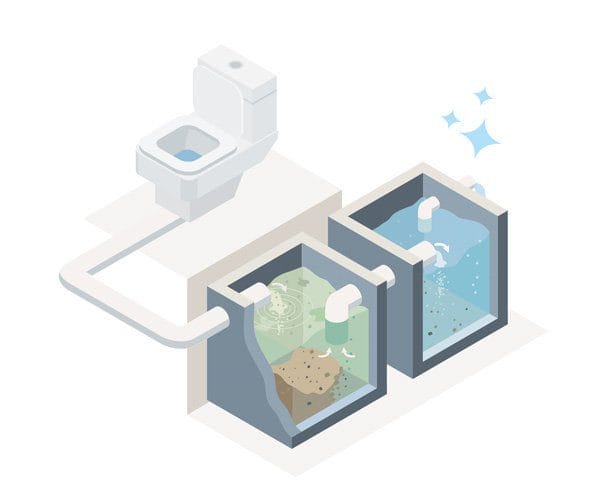
The purpose of a septic tank in system design is to treat and store wastewater from a property. It separates solids from liquids, allowing for the breakdown of organic material and facilitating the safe disposal of effluent into the drain field.
Can a septic system be designed for large households?
Septic systems can indeed be designed for large households. Our experienced engineers ensure that the system is tailored to accommodate the greater wastewater flow and specific needs of larger families, allowing for efficient and effective waste management.
What are the benefits of using a aerobic septic tank design?
The benefits of using an aerobic septic tank design include faster waste decomposition, reduced odors, and smaller space requirements. This efficient system is ideal for areas with high water tables, offering effective treatment and better environmental protection.
What are the minimum requirements for septic system design?
The minimum requirements for septic system design include proper site evaluation, adequate soil percolation tests, compliance with local regulations, and consideration of property size and wastewater flow to ensure efficient treatment and drainage.
How does climate impact septic system design requirements?
Climate significantly impacts septic system design requirements by influencing soil absorption rates, groundwater levels, and seasonal variations in temperature and precipitation. These factors determine the appropriate design, size, and type of septic system to ensure effective wastewater treatment and prevent environmental contamination.
What are the key components of a septic system design?
The key components of a septic system design include a septic tank, piping, and a drain field. These elements work together to treat and dispose of wastewater effectively, ensuring proper sanitation and environmental protection.
How does soil type affect septic tank design?
The soil type significantly affects septic tank design by influencing the system's drainage capability and the necessary size and depth of the tank and leach field. Different soils, such as sandy or clayey, dictate the design to ensure effective wastewater treatment.
What is the role of drainfields in septic tank design?
The role of drainfields in septic tank design is crucial for wastewater treatment. Drainfields allow effluent to flow into the soil, where it undergoes natural filtration and absorption, effectively preventing contamination of groundwater and supporting environmental health.
What role does drainage play in septic system design?
The role of drainage in septic system design is crucial. Proper drainage ensures that wastewater is effectively distributed throughout the drain field, allowing for adequate treatment and filtration before re-entering the groundwater system, preventing contamination.
Can septic systems be used in areas with poor soil quality?
Septic systems can be utilized in areas with poor soil quality by employing alternative designs that can effectively treat wastewater. Consulting with professionals is essential to ensure compliance with local regulations and to identify the best system for your specific soil conditions.
What is the purpose of a septic drainfield design?
The purpose of a septic drainfield design is to effectively filter and disperse wastewater from the septic tank into the ground, allowing for natural treatment processes to occur while preventing contamination of groundwater and surrounding areas.
How do you determine the correct septic system size for a property?
Determining the correct septic system size for a property involves assessing factors such as the number of bedrooms, average daily water use, soil type, and site conditions to ensure efficient wastewater treatment.
What is the purpose of a septic tanks outlet filter?
The purpose of a septic tank's outlet filter is to prevent solid particles from leaving the tank and entering the drain field. This helps maintain the system's efficiency and prevents clogs, extending the lifespan of the septic system.
How often should septic tanks be inspected and maintained?
Septic tanks should be inspected at least once a year, with more substantive inspections every five years. Regular maintenance helps prevent costly repairs and ensures the system operates efficiently.
Can septic design be used in urban areas?
Septic design can be utilized in urban areas, but it is subject to local regulations and land-use restrictions. Ensure that proper permits are obtained and that the system is designed to meet the specific needs of urban environments.
Can septic tanks be used for commercial properties?
Septic tanks can indeed be used for commercial properties. However, their design and capacity must meet the specific wastewater needs of the business and comply with local regulations.
How does soil type affect septic system design?
The impact of soil type on septic system design is significant. Soil composition affects drainage, absorption rates, and the overall effectiveness of the system, necessitating tailored designs to ensure proper wastewater treatment and prevent failures.
What are the benefits of custom septic design solutions?
The benefits of custom septic design solutions include tailored systems that maximize efficiency, comply with local regulations, and address specific site conditions. This approach minimizes costly redesigns and enhances system longevity, ensuring reliable wastewater management for your property.
Can septic systems be used in areas with high groundwater tables?
Septic systems can be used in areas with high groundwater tables, but alternative systems may be required to ensure effective wastewater treatment and prevent contamination. Proper design and local regulations are essential for successful implementation.
What are the different types of septic system designs available?
The different types of septic system designs available include conventional septic systems, aerobic systems, alternative systems, and evapotranspiration systems. Each design caters to specific site conditions, soil types, and local regulations, ensuring effective wastewater treatment.
What is the ideal size for a residential septic tank?
The ideal size for a residential septic tank depends on the household's daily wastewater flow. Typically, a tank should be between 500 to 1,500 gallons, ensuring it can effectively handle your household’s volume and soil absorption rates.
What are the essential components of a septic system design?
The essential components of a septic system design include a septic tank for wastewater treatment, piping for effluent flow, and a drain field to discharge the treated water into the soil, ensuring proper filtration and absorption.
How does septic design impact environmental sustainability?
The impact of septic design on environmental sustainability is significant. A well-designed septic system minimizes pollutants entering groundwater, conserves water resources, and supports local ecosystems, ensuring a healthier environment for both humans and wildlife.
What are the primary components of a septic tank design?
The primary components of a septic tank design are the septic tank itself, which collects and treats wastewater, the inlet and outlet pipes for effluent flow, and the drain or leach field for further wastewater treatment and absorption into the soil.
How does water usage impact septic tank design?
Water usage significantly impacts septic tank design. Higher water consumption requires a larger tank capacity and an adequately sized drain field to ensure effective wastewater treatment and prevent system overload. Proper assessment of daily water usage is essential for optimal design.
What factors influence septic system capacity?
The factors that influence septic system capacity include the size of the household, daily water usage, soil type, drainage field design, and local regulations. Proper assessment of these elements ensures optimal performance and prevents system overload.