
Whether you are a developer eyeing a vacant lot for a new residential complex or a structural engineer assessing a brownfield site for redevelopment, the excitement of a property transaction often masks a silent threat: environmental liability. In the world of commercial real estate, what you don’t know can hurt you—financially, legally, and reputationally. This is why environmental due diligence is the cornerstone of any sound acquisition strategy, serving as the primary shield against the “toxic” surprises that may lie beneath the surface.
At the heart of this process is the Phase I Environmental Site Assessment (ESA). This systematic investigation is designed to identify “Recognized Environmental Conditions” (RECs) that could signal contamination. For civil and structural professionals, understanding the Phase I ESA isn’t just about ticking a box for the bank; it’s about ensuring the long-term viability of the project.
What is a Phase I ESA?
A Phase I ESA is a non-intrusive investigation of a property’s past and present uses. It is conducted in accordance with the ASTM E1527-21 standard, which is the industry gold standard for meeting “All Appropriate Inquiries” (AAI) requirements under the Comprehensive Environmental Response, Compensation, and Liability Act (CERCLA).
The goal is simple but profound: to determine if there is a likelihood that hazardous substances or petroleum products have been released into the soil, groundwater, or structures of the property.
The Four Pillars of a Phase I ESA
To provide a comprehensive snapshot, a qualified environmental professional (EP) focuses on four key areas:
- Records Review: Examination of historical aerial photographs, fire insurance maps (Sanborn maps), city directories, and chain-of-title documents dating back to the property’s first developed use.
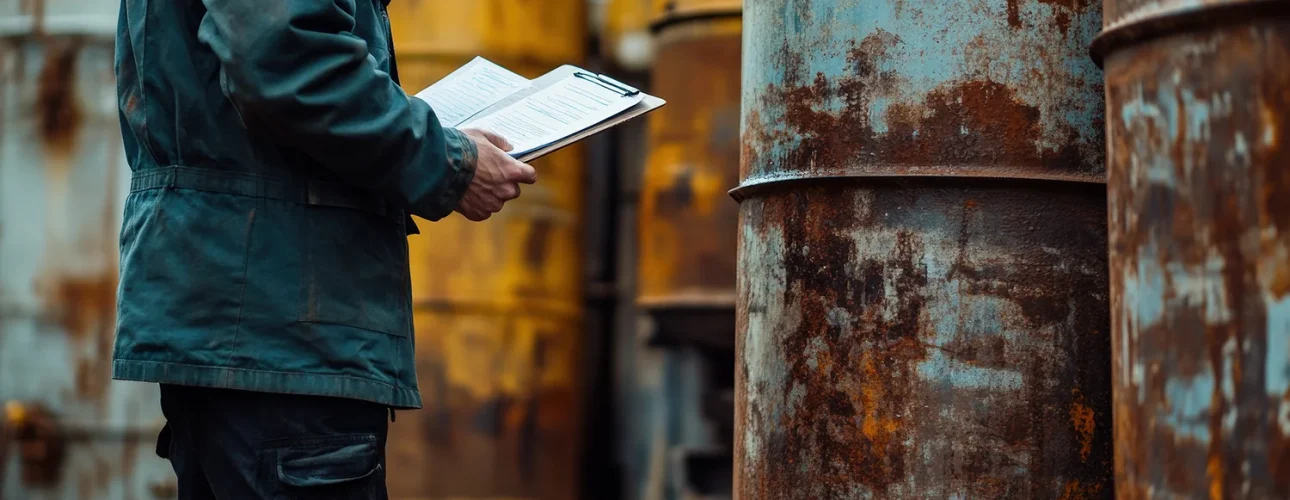
- Site Reconnaissance: A thorough visual inspection of the property and adjoining sites to look for “red flags” like distressed vegetation, vent pipes, floor drains, or chemical storage.
- Interviews: Speaking with current and past owners, occupants, and local government officials to fill in the gaps that records might miss.
- Reporting: A detailed document that concludes whether RECs were found and provides recommendations for further action.
Why Environmental Due Diligence Matters for Professionals
In civil and structural engineering, we often focus on the load-bearing capacity of soil or the integrity of a foundation. However, environmental due diligence is equally critical to the project’s “structural” integrity in a legal sense.
If a developer purchases a site and later discovers a leaking underground storage tank (UST) or a plume of per- and polyfluoroalkyl substances (PFAS) in the groundwater, they could be held liable for millions in cleanup costs—even if they didn’t cause the contamination. By performing a Phase I ESA, a buyer can qualify for “Innocent Landowner Protections,” effectively insulating themselves from legacy liabilities.
The Impact on Land Surveying
For land surveyors, the Phase I ESA often overlaps with the ALTA/NSPS Land Title Survey. When a surveyor identifies an old well, an unidentified pipe, or an encroaching industrial neighbor, that data feeds directly into the environmental professional’s risk assessment. A collaborative approach between the surveyor and the environmental team ensures that no physical anomaly is overlooked.
Common “Red Flags” Found During an ESA
Many properties that look pristine today have “ghosts” in their history. Common issues uncovered during a Phase I ESA include:
- Dry Cleaners: Even if a site is now a trendy coffee shop, a former dry-cleaning operation could have leaked tetrachloroethylene (PERC) into the slab and soil.
- Gas Stations: Abandoned or forgotten underground storage tanks are a frequent find in urban redevelopment.
- Historical Fill: Before modern regulations, it was common to fill low-lying areas with industrial debris or ash, which can contain heavy metals.
- Adjoining Properties: Contamination doesn’t respect property lines. A neighboring factory’s chemical spill can migrate through groundwater onto your client’s site.
Beyond Phase I: When is a Phase II Necessary?
If a Phase I ESA identifies a REC, the next step is typically a Phase II ESA. Unlike the first phase, this involves “intrusive” testing. This might include:
- Soil borings and sampling.
- Groundwater monitoring well installation.
- Sub-slab vapor intrusion testing.
For structural engineers, a Phase II is vital because chemical contamination can sometimes degrade building materials or necessitate specialized vapor barriers that must be integrated into the foundation design.
The Evolving Landscape: PFAS and Emerging Contaminants
The “standard” for what constitutes a liability is constantly shifting. Recently, the EPA has moved to designate certain PFAS chemicals as hazardous substances. Known as “forever chemicals,” these substances are found in everything from firefighting foam to waterproof coatings.
Staying ahead of these regulations is a key part of a modern environmental strategy. You can stay updated on the latest federal environmental regulations and standards via the U.S. Environmental Protection Agency (EPA), which provides comprehensive resources on compliance and CERCLA liability.
The Financial Perspective: Protecting the Bottom Line
Lenders almost universally require a Phase I ESA for commercial loans. From a financial standpoint, the cost of an ESA (typically a few thousand dollars) is a drop in the bucket compared to the potential loss of a multi-million dollar asset.
| Feature | Phase I ESA | Phase II ESA |
| Method | Desktop research & visual site visit | Soil, water, and air sampling |
| Intrusiveness | Non-invasive | Invasive (drilling, probing) |
| Timeline | 2–3 weeks | 4–8 weeks |
| Goal | Identify potential contamination | Confirm presence and concentration |
Conclusion: Don’t Build on a Shaky Foundation
In the fields of civil, structural, and environmental engineering, our reputation is built on precision and risk management. Skipping or rushing the environmental review process is the equivalent of building a skyscraper without a geotechnical report—it is an invitation for disaster.
A Phase I ESA does more than just identify dirt; it provides the data necessary for informed decision-making, protects clients from ruinous litigation, and ensures that our built environment is safe for future generations.
How Can We Help Your Next Project?
Are you preparing for a property acquisition or starting a new land development project? Don’t let hidden liabilities derail your progress. Our team of multidisciplinary experts at Anderson Engineering specializes in navigating the complexities of environmental regulations to keep your project on track and in compliance.
Contact us today for a comprehensive consultation on your environmental due diligence needs and ensure your investment is protected from the ground up.