
Conference-Center

Conference Center of the Church of Jesus Christ of Latter-day Saints

Disclaimer: Portions of this article were produced with the assistance of Large Language Models (LLMs) and AI tools to enhance search engine optimization (SEO). The content is intended for informational purposes and may not address specific project needs. For tailored advice or to discuss your project, please contact Anderson Psomas directly.

Table of Contents

21,000 seat auditorium, 1.2 million square feet

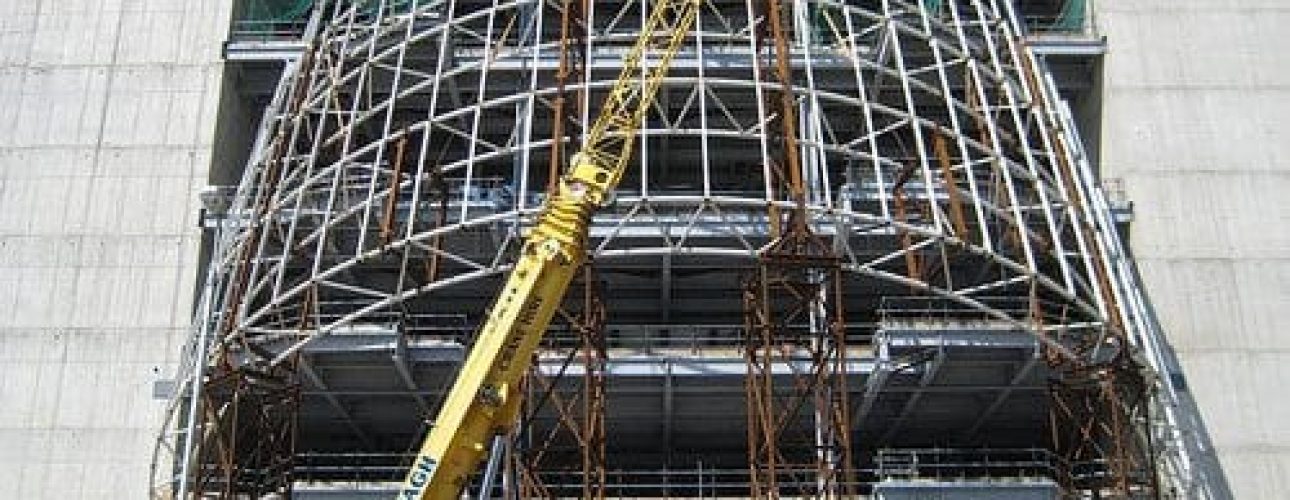
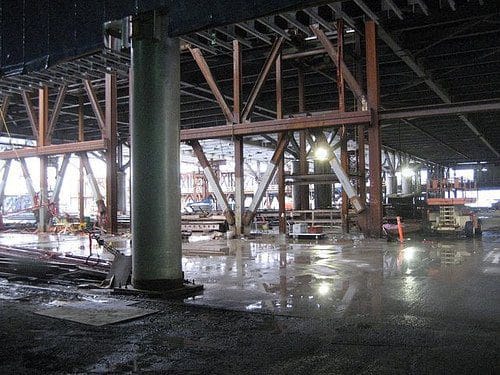
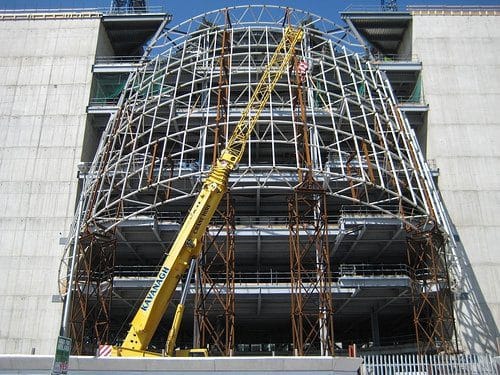
The Church of Jesus Christ of Latter-day Saints Conference Center is considered as an architectural miracle by many today. The Conference Center covers most of a 10-acre block and accommodates 21,000 people in one sweeping auditorium. In addition to the main auditorium, the Conference Center also contains a 900-seat theater, an underground 1,400-car parking structure, and a four-acre terraced park on the roof.

Survey, Construction Management, Civil Engineering

Vigil B. Anderson, a founder and Senior Engineer with Anderson Psomas lead out site-wide efforts as the Owners Representative. Anderson Psomas provided surveying in the establishment of the primary control network; construction layout for the steel contractor; verification of critical structural elements for the owner and prime contractor; civil design for the central heating plant; and design and quality control at the Little Cottonwood Granite Quarry.
Resources – Go Deeper

Reviewed by Brandon Anderson, PMP, GC

Principal Civil Engineer and Licensed General Contractor delivering innovative, client-focused solutions for complex projects across Utah and beyond.

Structural Engineering

Understanding Response Reduction Factor

For structures located in earthquake-prone areas, it’s important that they’re engineered to withstand large amounts of force. The response reduction factor in structural engineering takes into account how energy is transferred during an earthquake and helps produce buildings that can ride the wave. Methods for Response Reduction When an earthquake

Read More »