


You’ve found the perfect plot of land in rural Utah to build a new commercial facility or subdivision, only to discover that connecting to a municipal sewer system isn’t an option. Suddenly, your entire project requires septic system design.
Designing an on-site septic system isn’t as simple as burying a tank. Utah’s strict environmental codes, coupled with wildly diverse soil profiles—from rocky mountain benches to heavy valley clays—make septic design a frequent bottleneck for rural and suburban developments. A failed soil test or a poorly engineered system can completely halt a project or cost tens of thousands in unexpected redesigns.
By understanding Utah’s strict septic permitting requirements, preparing early for the critical soil percolation (“perc”) test, and designing for your specific site conditions, you can secure municipal approvals faster and protect your development timeline.
Table of Contents
The Foundation of Design—The Utah Perc Test & Soil Exploration
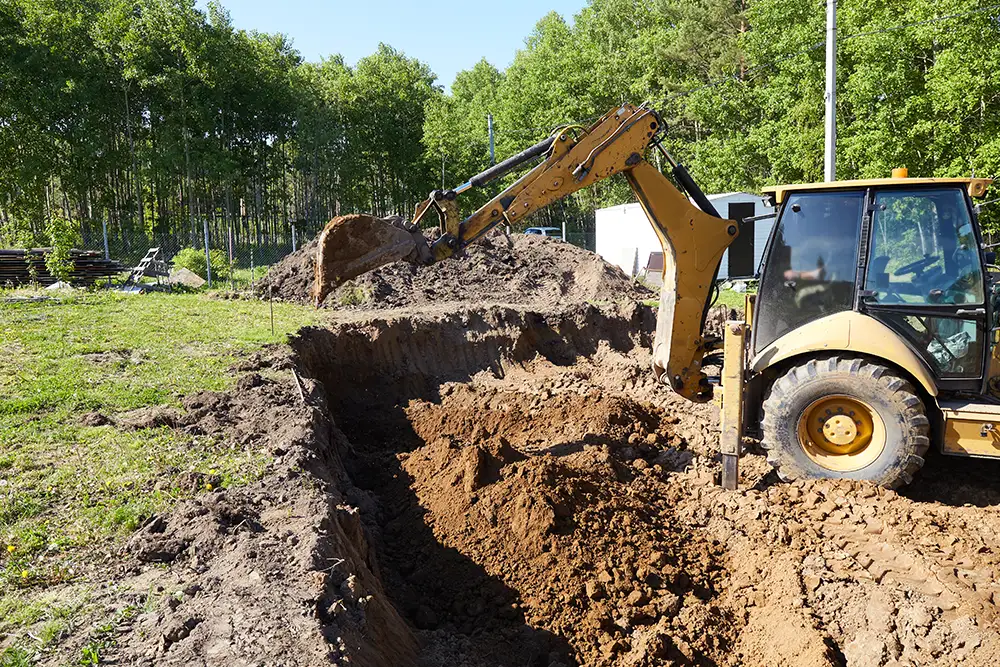
Before a single line of a septic system can be drafted, you must prove the native soil can safely absorb, filter, and treat wastewater. This is accomplished through a soil exploration pit and a percolation test, which measures how quickly water drains through the soil strata.
Key Components of Soil Evaluation
- The Soil Pit: Utah requires digging a deep test pit (often with a backhoe) down to 10 feet to analyze soil layers, look for bedrock, and check for the local seasonal high groundwater table.
- The Perc Holes: Multiple test holes must be dug within the proposed drain field area to establish the exact rate of water absorption.
- Certified Professional Testing: State regulations dictate that testing must be conducted by a certified onsite professional recognized by the Utah Division of Water Quality.
Across the Wasatch Back (such as Summit and Wasatch Counties), developers frequently run into highly variable mountain soils and shallow bedrock. Knowing exactly where and when to dig is critical to avoid false failures. Understanding how a perc test works in Utah helps property owners prepare their sites effectively before heavy machinery arrives.
Navigating Utah Administrative Code R317-4 for Septic System Design in Utah
Septic systems in Utah are strictly governed by state code R317-4 (Onsite Wastewater Systems). This code dictates everything from tank capacity and materials to strict setbacks from geographic features. When executing a proper septic system design in Utah, meeting every line item of Utah administrative code R317-4 is mandatory for approval.
Utah septic tank regulations require strict compliance with minimum setback distances to protect public health and local watersheds.
| Regulatory Parameter | State Requirement (R317-4) | Operational Impact |
| Septic Tank Capacity Rules | Minimum 1,000 gallons for single-family homes (up to 3 bedrooms) | Scales up rapidly based on potential bedrooms and unfinished basement spaces |
| Drain Field Setbacks | Minimum 100 feet from open water sources | Applies to streams, rivers, native flow features, and seasonal runs |
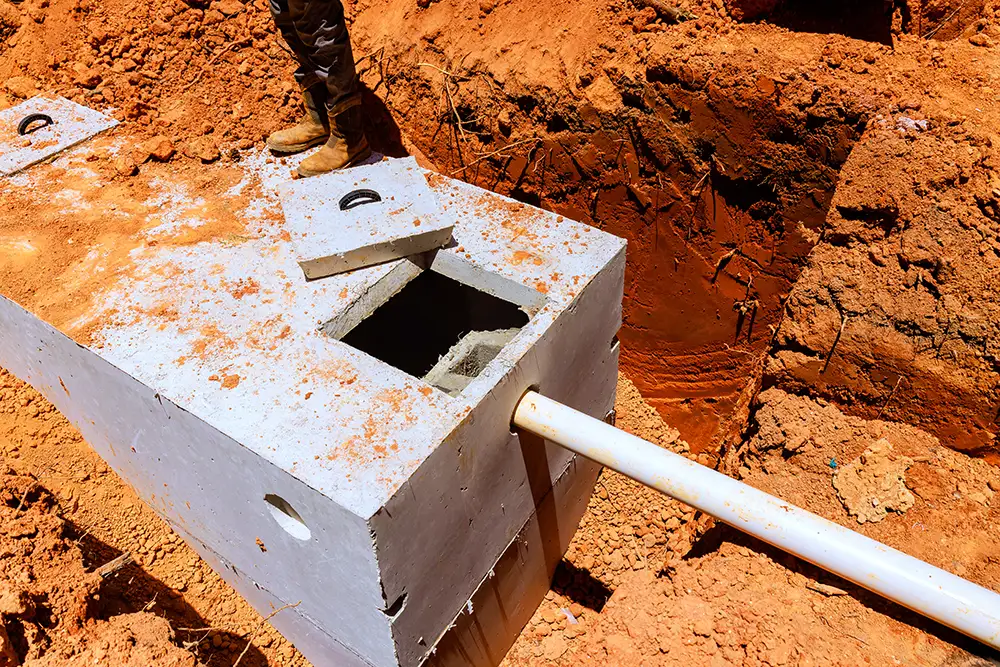
| Riser Access Standards | Watertight risers within 6 inches of or directly at final grade | Ensures full accessibility for routine inspection, pumping, and maintenance |
Because municipal and county health departments (like the Salt Lake County Health Department or the Southwest Utah Public Health Department) enforce these state codes, local nuances—such as protection zones near the Jordan River Watershed or local culinary wells—must be integrated into your initial layout. Proper planning ensures all onsite wastewater systems Utah developments utilize comply with both county and state standards.
Conventional vs. Alternative Septic System Designs in Utah
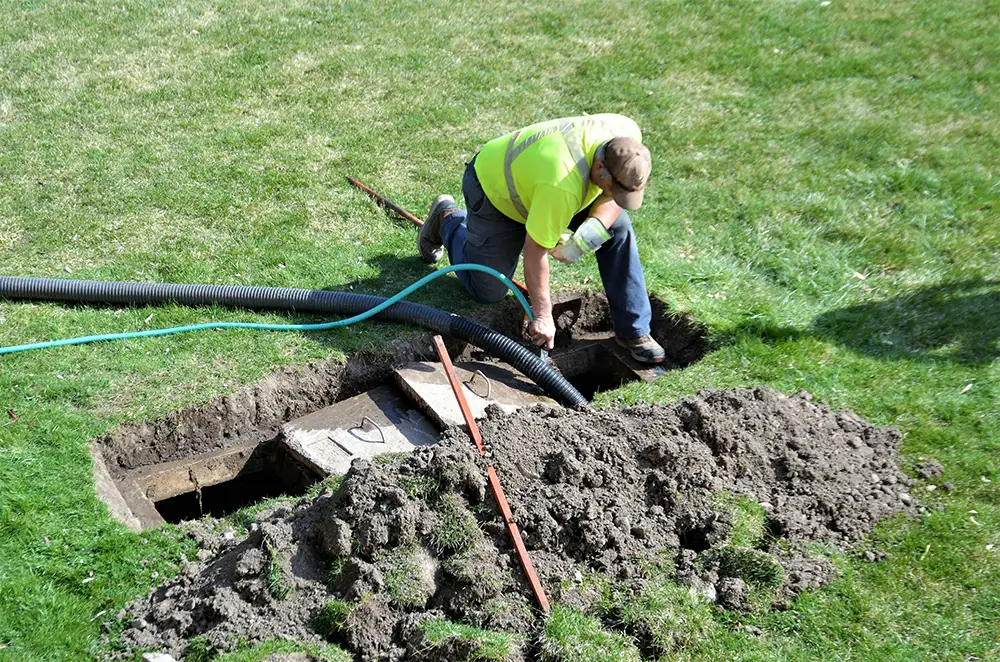
If your soil drains too fast (like coarse gravel) or too slow (like heavy clay), a standard gravity-fed septic tank and gravel drain field won’t work. You’ll need an engineered alternative system tailored to your land’s specific limitations. Successful septic system design in Utah relies on choosing the correct system type early in the site planning process.
Matching Soil Profiles to System Types
- Conventional Gravity Systems: Best suited for deep, well-draining, loamy soils. Wastewater flows naturally from the tank into a series of underground gravel trenches by gravity.
- Pressurized Distribution Systems: Used when soil layers are shallower or percolation test requirements dictate an even distribution of effluent across the absorption field via a pump chamber.
- Advanced Alternative Systems: If groundwater levels are high or soil is highly restrictive, alternative septic system designs for clay soil—such as sand mounds, packed bed media filters, or membrane bioreactors—may be required to pre-treat wastewater before it discharges into the ground.
In parts of Utah where heavy clay soils or shallow water tables are common, standard systems are rarely a given. Early planning prevents the shock of a last-minute alternative system mandate.
Advanced Engineering Solutions for Complex Sites
When physical terrain presents steep slopes, high water tables, or nearby surface water, engineering a viable septic system design in Utah requires a sophisticated technical strategy. Integrating precise topographic mapping with environmental engineering ensures that drain field setbacks are respected while maximizing usable land.
Three-Step Path to Septic Permit Approval
- Field Mapping & Soil Exploration: Establish site boundaries, map precise topography, and dig the deep soil exploration pit to evaluate sub-surface layers.
- Engineering & System Selection: Draft high-precision tank, riser, pump chamber, and drain field layouts customized to daily flow estimates and soil absorption capacity.
- Health Department Submittal: Submit complete engineering plan sets to local health authorities for formal review and permit issuance.
When evaluating tricky sites, engineering teams use structured assessments to select the right approach:
- Topographic Analysis: Mapping slope gradients to ensure effluent distribution lines don’t experience uneven pressure or surface breakout.
- Hydrogeologic Evaluation: Identifying seasonal high groundwater marks to ensure the minimum required vertical separation distance beneath the absorption trench is maintained.
- Custom System Sizing: Calculating hydraulic loading rates based on daily peak flow estimates rather than simple averages, preventing early drain field saturation.
The Anderson Psomas Advantage for Septic System Design in Utah
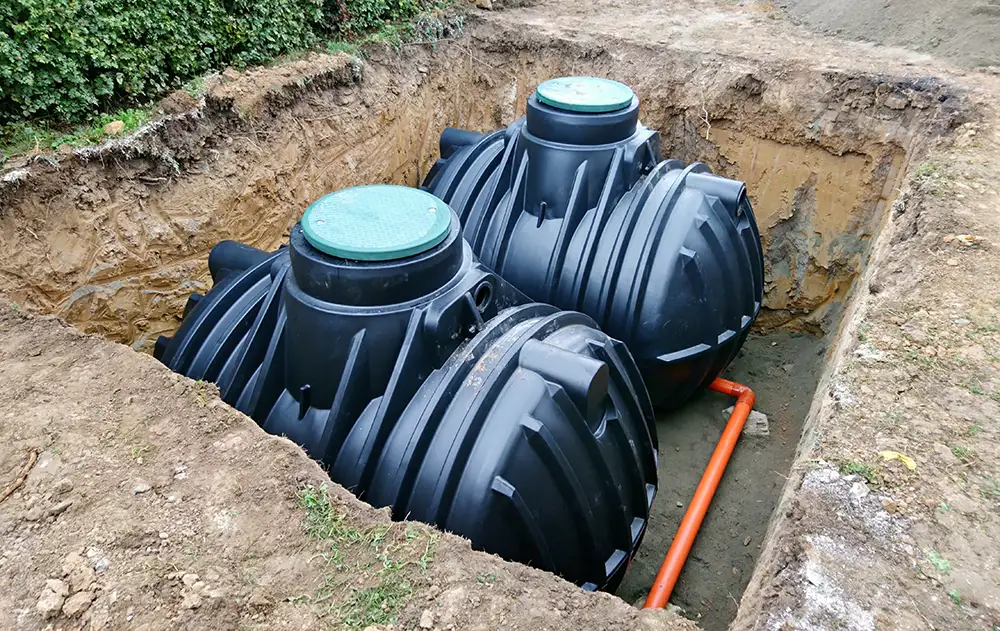
At Anderson Psomas, we don’t just draft plans—we navigate the entire onsite wastewater lifecycle. As a core division of Anderson Psomas, our team coordinates certified soil testing, manages municipal health department submittals, and engineers custom septic systems tailored to your site’s unique geology.
Our process combines high-precision land surveying with expert civil design. We identify optimal drain field locations and utility pathways early in the site planning process, saving you from costly layout reworks later on.
This comprehensive, integrated approach takes the guesswork out of rural and commercial development, ensuring a smooth path to permit approval and construction. Whether you are navigating complex soil profiles or seeking full-service land development consulting, having experienced partners on your side keeps your project moving forward without unnecessary delays.
Long-Term Maintenance and Sustainability of Onsite Wastewater Systems
A successful septic system design in Utah doesn’t end when the backhoe fills in the drain field. Ensuring long-term performance requires designing for routine maintenance and long-term environmental protection.
Essential System Performance Features
- Effluent Filters: Installing accessible effluent filters at the tank outlet prevents solid debris from entering and clogging the drain field pipes over time.
- Dual Drain Field Options: For high-volume commercial systems, incorporating a secondary reserve area allows drain fields to rest periodically, extending their overall operational lifespan.
- Watertight Tank Integrity: Using high-grade concrete or poly tanks certified by standards organizations like NSF International prevents groundwater infiltration and keeps untreated sewage from leaking into the surrounding native soil.
Integrating clear operational access—such as surface-grade risers—helps property managers schedule routine pumping and inspections, preserving the integrity of the soil treatment zone for decades to come.
Conclusion
A successful septic system design in Utah is the unsung hero of any off-grid or rural commercial development. Passing your soil exploration pit evaluation and perc tests is the gateway to unlocking your land’s potential.
By adhering to Utah’s R317-4 regulations and designing a system tailored specifically to your soil conditions, you can avoid costly regulatory hurdles and build with confidence.
Planning a development without municipal sewer access? Contact the wastewater experts at Anderson Psomas through our comprehensive civil engineering services team today to schedule your site feasibility and septic design consultation.