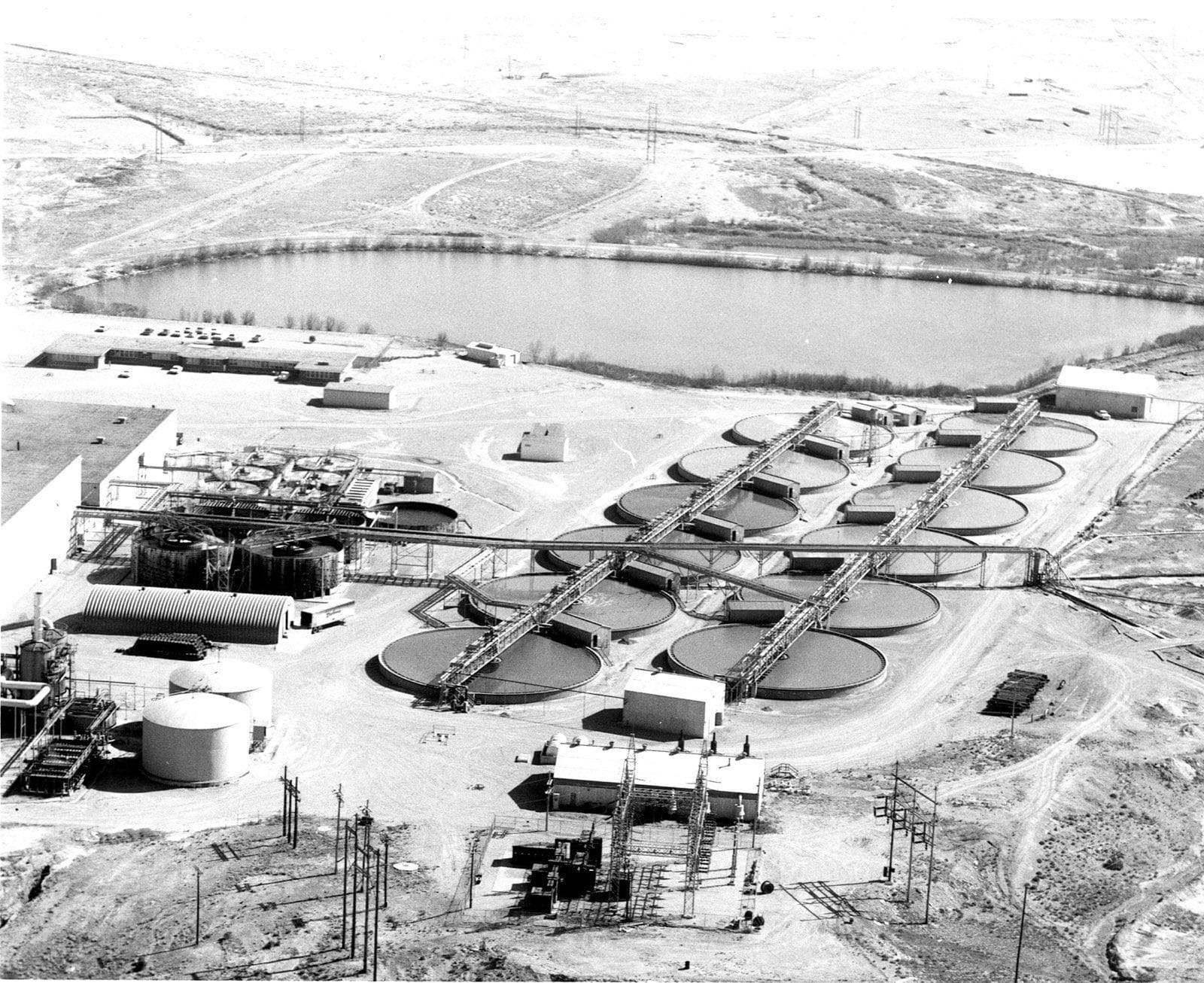



The Bluewater Uranium Mill reclamation in Grants, New Mexico, addressed severe groundwater contamination and hazardous tailings disposal. Anderson Engineering, an environmental consulting firm, designed innovative encapsulation systems, ensured regulatory compliance, and implemented long-term groundwater monitoring to protect regional water sources and reduce the client’s environmental liabilities.
Comprehensive Engineering Services Offered by Anderson Engineering
At Anderson Engineering, we deliver sustainable solutions for complex environmental challenges like tailings management and groundwater monitoring, protecting Grants, New Mexico, while ensuring compliance with federal safety and environmental regulations.
Challenge
Severe groundwater contamination and hazardous tailings from the Bluewater Uranium Mill threatened environmental safety, regional water resources, and regulatory compliance.
Anderson Engineering implemented environmental services including advanced tailings encapsulation and groundwater monitoring systems, ensuring environmental safety and regulatory compliance.
Adhering to UMTRCA and EPA guidelines and implementing innovative engineering solutions like alternate concentration limits (ACLs).
Discover the Full Scope of the Project
Gain insight into the decisions, challenges, and creative solutions that brought this project to life.
Challenge
The Bluewater Uranium Mill in Grants, New Mexico, was a significant environmental challenge, with over 23 million tons of uranium mill tailings leaching hazardous contaminants into the San Andres Glorieta Aquifer—a critical water source for the region 1San Andres Glorieta Aquifer: https://www.usgs.gov/aquifer/san-andres-glorieta. These contaminants posed risks to public health, ecosystems, and compliance with federal regulations under the Uranium Mill Tailings Radiation Control Act (UMTRCA).Without intervention, the site faced escalating financial liabilities, potential regulatory penalties, and long-term environmental degradation. The complexity of addressing tailings disposal and groundwater contamination required innovative, large-scale solutions that balanced regulatory compliance with environmental protection.
Solution
As a member of the environmental consultant team, Anderson Engineering developed a 354-acre disposal cell designed to encapsulate over 23 million tons of hazardous tailings to address the environmental challenges at the Bluewater Uranium Mill. This engineered solution prevents contaminant migration, securing long-term environmental safety and preserving the San Andres Glorieta Aquifer 2Uranium Mill Tailings Disposal Cells: https://www.energy.gov/legacy-management.
The firm also implemented a rigorous groundwater monitoring program, installing wells to assess water quality and detect any contaminant migration regularly. This proactive approach ensured compliance with EPA guidelines and the UMTRCA while minimizing risks to local ecosystems.
By aligning innovative engineering solutions with federal and state requirements, Anderson Engineering provided the client with a sustainable and cost-effective reclamation plan. The project set a new standard for uranium mill site remediation in Grants, New Mexico, and similar sites nationwide.
Benefits and Impacts
The reclamation of the Bluewater Uranium Mill in Grants, New Mexico, provided measurable benefits for the environment, the community, and the client. Anderson Engineering’s solutions addressed hazardous waste management, groundwater safety, and regulatory compliance, reducing environmental risks while preserving vital water resources. These measures helped the client avoid fines and long-term liabilities while supporting sustainable site management.
Regulatory Compliance: Ensured adherence to UMTRCA and EPA guidelines, avoiding penalties and securing long-term compliance.
Environmental Safety: Protected the San Andres Glorieta Aquifer through secure tailings containment and groundwater monitoring systems.
Cost Efficiency: Delivered innovative engineering solutions that reduced remediation costs while ensuring project success.
Ready to Turn Your Vision into Reality? Let's Talk
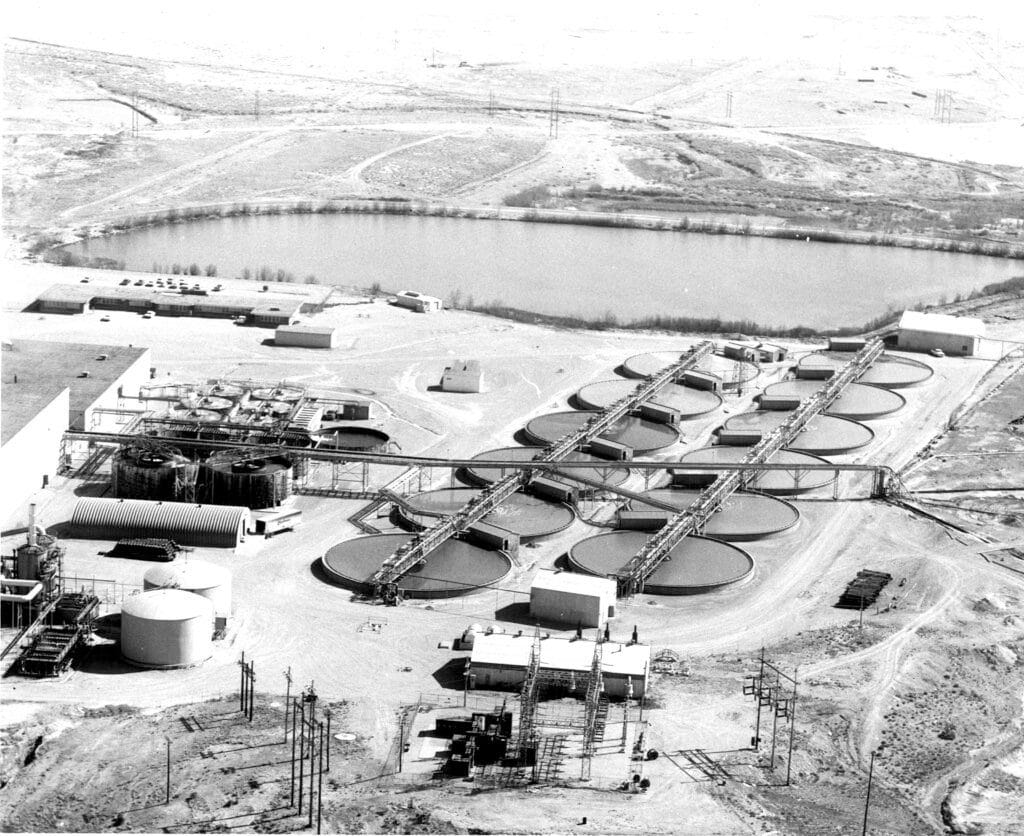
The Bluewater Uranium Mill, located near Grants, New Mexico, operated as a significant uranium processing facility from 1953 to 1982. While the site played a critical role in the region’s economic growth during the uranium boom, it left a lasting environmental legacy. With over 23 million tons of hazardous uranium mill tailings and significant groundwater contamination, the project required comprehensive engineering and project management solutions to address environmental risks, safeguard the San Andres Glorieta Aquifer, and ensure compliance with stringent federal regulations under the Uranium Mill Tailings Radiation Control Act (UMTRCA) 1UMTRCA Guidelines:https://www.epa.gov/radiation/uranium-mill-tailings. Anderson Engineering led the effort to reclaim the site, transforming it into a benchmark for sustainable reclamation through innovative practices and effective regulatory collaboration.
Overcoming Hazardous Waste and Groundwater Contamination Challenges
Challenges Faced by the Client
Severe Groundwater Contamination: Decades of tailings seepage resulted in elevated levels of uranium, selenium, and molybdenum in the San Andres Glorieta Aquifer—a critical regional water source for Grants, NM, and surrounding communities 2San Andres Glorieta Aquifer: https://www.usgs.gov/aquifer/san-andres-glorieta.
Hazardous Tailings Management: Approximately 23 million tons of uranium mill tailings and contaminated materials were disposed of in unlined piles, creating long-term environmental hazards.
Regulatory Compliance Pressure: The site required remediation to meet UMTRCA and EPA standards, among the strictest for hazardous waste management. Non-compliance could result in escalating fines and ongoing liabilities.
Complex Technical and Logistical Challenges: The client faced extensive technical requirements, including environmental characterization, site remediation, and hazardous waste disposal, as well as coordination of multiple contractors and regulatory approvals.
Impacts of These Challenges
Environmental Risks: Contaminants directly threatened local ecosystems, endangering water and soil quality.
Health Concerns: Toxic materials increased the potential for public exposure, affecting the health of nearby communities.
Financial and Legal Liabilities: Failure to address the site could result in significant fines, lawsuits, and reputational damage.
Operational Complexity: The scale and scope of required remediation demanded precise project management to align technical, environmental, and regulatory goals.
Innovative Engineering Solutions for Sustainable Uranium Site Reclamation
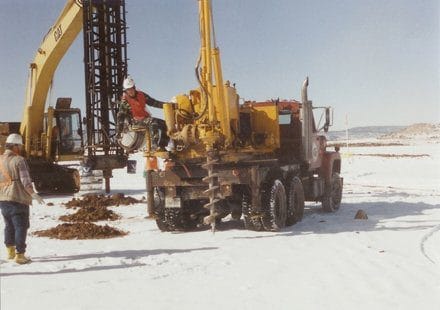
Anderson Engineering provided a full suite of services to address the unique challenges of the Bluewater Uranium Mill reclamation project. These included:
Project Management
Securing agency approvals, including decommissioning work plans from the U.S. Nuclear Regulatory Commission and other government entities.
Preparing construction documents and cost estimates.
Bid and contractor evaluation, ensuring high-quality execution.
Construction management, contractor coordination, and oversight.
Scheduling and ensuring the timely completion of all project phases.
Environmental and Site Characterization
Conducted detailed environmental and radiological characterization of the site.
Prepared site conceptual models and developed a facility inventory.
Remediation and Waste Management
Disposed of hazardous and special waste safely and efficiently.
Designed and implemented remedial work plans.
Consolidated evaporation pond residues into the main tailings impoundment.
Excavated and used vacuum extraction to recover windblown materials.
Demolition and Reclamation
Removed asbestos-containing materials and demolished process buildings.
Installed a radon cover cap to mitigate radiation risks.
Quarried, screened, and placed erosion protection rock, including rip rap, to stabilize the site.
Re-vegetated the site with native grasses and shrubs to restore ecological balance.
Hydrology and Earthwork Studies
Conducted hydrology studies and developed earthwork designs to support long-term site stability.
Evaluated soil settlement and designed a radon barrier to enhance safety and compliance.
Technical Innovation and Execution
Anderson Engineering’s team ensured all tasks were completed with precision and efficiency, leveraging local expertise to minimize costs and maintain compliance. Collaboration with multiple stakeholders ensured a seamless process, aligning technical solutions with the client’s financial and operational objectives.
Regulatory Compliance
The reclamation activities were conducted under the oversight of the U.S. Nuclear Regulatory Commission (NRC) and in compliance with the Uranium Mill Tailings Radiation Control Act (UMTRCA) of 1978. Anderson Engineering secured all necessary approvals for decommissioning work plans and regulatory submissions. Upon the completion of reclamation in 1995, the site transitioned to the U.S. Department of Energy (DOE) Office of Legacy Management for long-term surveillance and maintenance, ensuring the site remains safe and compliant for future generations.
Delivering Environmental Safety, Compliance, and Long-Term Sustainability
Measurable Outcomes
Parameter
Result
Total Tailings Encapsulated
Approximately 23 million tons
Disposal Cell Area
354 acres
Primary Affected Aquifer
San Andres Glorieta aquifer
Long-Term Surveillance Initiated
1995
Long-Term Benefits
Regulatory Compliance: Successfully met all UMTRCA and EPA standards, avoiding penalties and securing long-term legal compliance.
Environmental Safety: Protected the aquifer through secure tailings containment and ongoing groundwater monitoring, reducing contamination risks.
Community Health: Reduced exposure to hazardous materials, safeguarding public health.
Ongoing Management: The DOE Office of Legacy Management ensures continuous monitoring and maintenance of the site to uphold environmental safety.
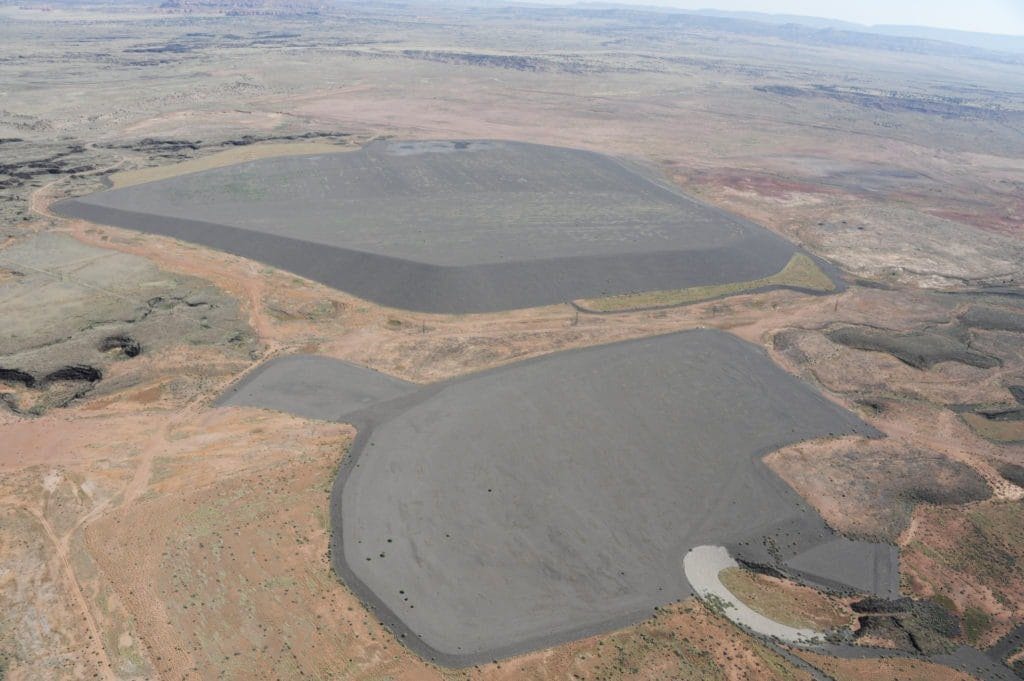
The Bluewater site is currently managed by the DOE’s Office of Legacy Management. The site includes a disposal cell that encapsulates all tailings and contaminated materials. Continuous monitoring of groundwater and the containment system ensures the effectiveness of the reclamation efforts and the long-term safety of the environment and nearby communities 3DOE Bluewater Overview: https://www.energy.gov/lm/bluewater-new-mexico-disposal-site.
Conclusion
The reclamation of the Bluewater Uranium Mill site is a significant achievement in mitigating the environmental impacts of uranium milling. Through comprehensive decommissioning, waste containment, and ongoing monitoring, Anderson Engineering successfully addressed historical contamination, safeguarded vital water resources, and ensured compliance with federal regulations. By providing a complete suite of project management, remediation, and reclamation services, Anderson Engineering established itself as a leader in uranium site reclamation, setting a benchmark for future projects worldwide. Moreover, the collaborative efforts with local communities and stakeholders emphasized the importance of transparency and public engagement throughout the reclamation process. By addressing critical needs in remediation services, Anderson Engineering not only restored the site but also promoted ecological resilience in the surrounding areas. This holistic approach has paved the way for innovative practices in environmental management and underscores the vital role of industry leaders in fostering sustainable development.

Environmental Permitting and Regulatory Compliance
Disclaimer: This summary includes AI-generated content and project-specific details that may not apply to your project. For personalized advice, contact Anderson Engineering—we’re here to help!
What are the stages of an environmental reclamation project?
The stages of an environmental reclamation project include site assessment, planning and design, implementation of remediation strategies, monitoring, and finally, performance evaluation to ensure ecological restoration and sustainability are achieved.
What technologies are used in environmental reclamation?
The technologies used in environmental reclamation include bioremediation, phytoremediation, advanced filtration systems, and geospatial analysis tools, all aimed at restoring contaminated land and ensuring sustainable ecological balance.
Can reclamation services be used for land remediation?
Reclamation services can indeed be used for land remediation. These services specialize in addressing and restoring degraded land, making them effective in mitigating environmental hazards and improving land quality.
Are reclamation services used in conjunction with renewable energy?
Reclamation services are often utilized alongside renewable energy projects to ensure that environmentally impacted sites are restored, promoting sustainability. This integration helps address ecological concerns while facilitating the development of clean energy solutions.
Can reclamation services restore damaged habitats?
Reclamation services can effectively restore damaged habitats by implementing tailored strategies that rehabilitate the landscape, improve soil quality, and reintroduce native species. These efforts are crucial in promoting ecological balance and sustainability in affected areas.
What are environmental reclamation services and their benefits?
Environmental reclamation services involve the restoration of degraded or contaminated land, enhancing ecosystem health and preventing further environmental damage. The benefits include improved public safety, enhanced land usability, and sustainable development that protects natural resources for future generations.
How long do environmental reclamation projects typically take?
Environmental reclamation projects typically take from several months to several years to complete, depending on the complexity of the site and the specific environmental challenges involved.
What challenges arise during reclamation project stages?
Challenges that arise during reclamation project stages include managing site contamination, ensuring compliance with environmental regulations, addressing technical complexities of tailings disposal, and effectively engaging with stakeholders throughout the process.
How do reclamation technologies enhance project efficiency?
Reclamation technologies enhance project efficiency by streamlining processes, reducing waste, and optimizing resource utilization. These technologies enable faster and more effective remediation of contaminated sites, ultimately leading to cost savings and improved environmental outcomes.
What benefits do habitats gain from reclamation?
The benefits habitats gain from reclamation include restored ecosystems, improved biodiversity, and enhanced water quality. Reclamation efforts help rehabilitate disturbed lands, promoting the return of native species and creating a healthier environment for wildlife.
What are the stages of an environmental reclamation project?
The stages of an environmental reclamation project include site assessment, planning and design, implementation of remediation strategies, monitoring, and finally, performance evaluation to ensure ecological restoration and sustainability are achieved.
What technologies are used in environmental reclamation?
The technologies used in environmental reclamation include bioremediation, phytoremediation, advanced filtration systems, and geospatial analysis tools, all aimed at restoring contaminated land and ensuring sustainable ecological balance.
Can reclamation services be used for land remediation?
Reclamation services can indeed be used for land remediation. These services specialize in addressing and restoring degraded land, making them effective in mitigating environmental hazards and improving land quality.
Are reclamation services used in conjunction with renewable energy?
Reclamation services are often utilized alongside renewable energy projects to ensure that environmentally impacted sites are restored, promoting sustainability. This integration helps address ecological concerns while facilitating the development of clean energy solutions.
Can reclamation services restore damaged habitats?
Reclamation services can effectively restore damaged habitats by implementing tailored strategies that rehabilitate the landscape, improve soil quality, and reintroduce native species. These efforts are crucial in promoting ecological balance and sustainability in affected areas.
What are environmental reclamation services and their benefits?
Environmental reclamation services involve the restoration of degraded or contaminated land, enhancing ecosystem health and preventing further environmental damage. The benefits include improved public safety, enhanced land usability, and sustainable development that protects natural resources for future generations.
How long do environmental reclamation projects typically take?
Environmental reclamation projects typically take from several months to several years to complete, depending on the complexity of the site and the specific environmental challenges involved.
What challenges arise during reclamation project stages?
Challenges that arise during reclamation project stages include managing site contamination, ensuring compliance with environmental regulations, addressing technical complexities of tailings disposal, and effectively engaging with stakeholders throughout the process.
How do reclamation technologies enhance project efficiency?
Reclamation technologies enhance project efficiency by streamlining processes, reducing waste, and optimizing resource utilization. These technologies enable faster and more effective remediation of contaminated sites, ultimately leading to cost savings and improved environmental outcomes.
What benefits do habitats gain from reclamation?
The benefits habitats gain from reclamation include restored ecosystems, improved biodiversity, and enhanced water quality. Reclamation efforts help rehabilitate disturbed lands, promoting the return of native species and creating a healthier environment for wildlife.