


Air pollution is a mixture of gases and particles that can be harmful when concentration levels reach above-average degrees. This is caused by air pollutant emissions coming from various sources. These pollutants can be from primary emissions, which means it results from pollutants released directly into the atmosphere, or from chemical interactions involving precursor substances. Some common examples of pollutants include smoke, soot, methane, carbon dioxide, and pollen [1,2].
The relationship between air emissions and air quality is very complicated. It depends on a number of factors, including chemical transformations, weather, topography, emission heights, and any hemispheric or natural contributions [1,2].
The Environmental Protection Agency (EPA) sets up air quality standards in order to protect the health of the public, especially those of “sensitive” populations such as the elderly, the young and those with respiratory conditions. Below is a list of the six common air pollutants identified by the Environment Protection Agency [3]:
- Nitrogen Dioxide (NO2)
- Lead (Pb)
- Sulfur Dioxide (SO2)
- Ozone (O3)
- Carbon Monoxide (CO)
- Particulate Matter (PM)
Where does air emissions come from?
Various activities and occurrences cause air pollution. Human activities, like the operation of vehicles, agricultural practices, and industrial processes, as well as natural events like wildfires and volcanic eruptions, all contribute to the air quality, and consequently, the health of the public. There are four primary sources of air pollutant emissions: area sources, mobile sources, natural sources, and stationary sources [4, 5].

Area Sources
Area sources refer to a collection of similar emission units in a particular given area. It represents the small and numerous individual sources that produce air pollutants that have similar properties. Examples of area sources include gas stations, dry cleaners, automobile refinishing operations, and residential sources like a family lawnmower or barbecue grills. Natural area sources include wildfires and other natural occurrences. Although these individual sources in itself are relatively harmless due to its small amount, they become potential threats when their emissions are taken collectively [6,7].
Mobile Sources
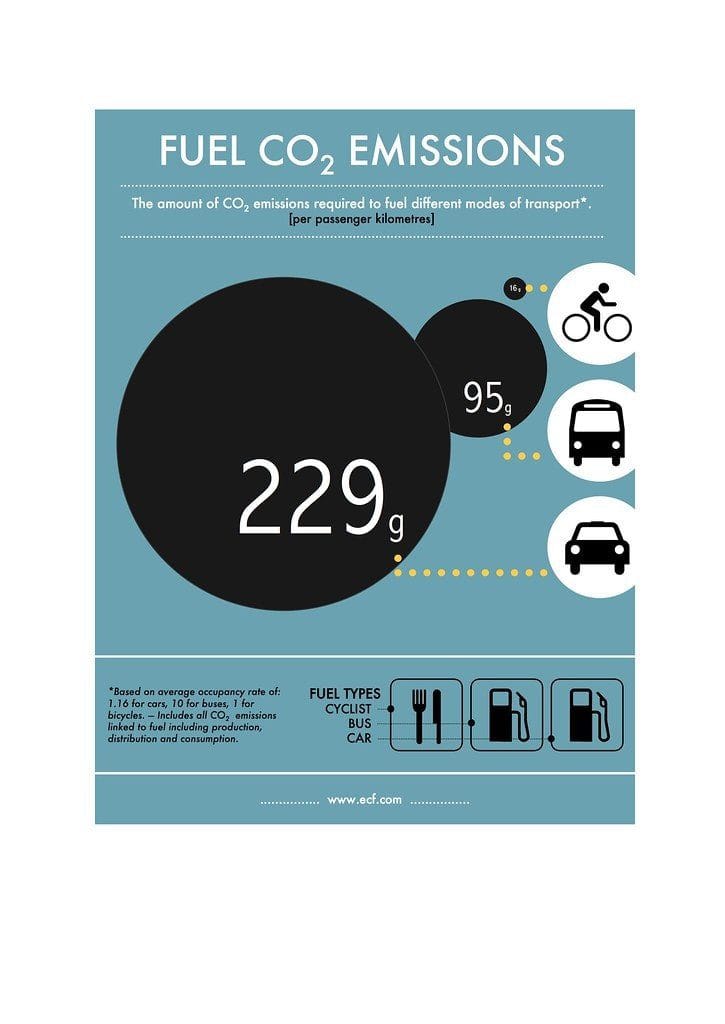
Mobile sources refer to emissions produced by motor vehicles and are divided by the EPA into two categories: on-road and non-road vehicles. Examples of on-road mobile sources are private cars, motorcycles, and commercial buses and trucks. Non-road mobile sources include marine vessels, locomotives, heavy equipment, aircraft, small engines, tools like lawnmowers, and recreational vehicles like snowmobiles [8].
Natural Sources
Natural sources are sources derived from occurrences or phenomena found in nature hence the name natural sources. Examples of this source include wind-blown dust, wildfires, and volcanoes [5].
Stationary Sources
Refineries, boilers, power plants, and factories fall under this category. Air pollutants from these sources are emitted into the atmosphere through a number of ways, which include chemical processes, fossil fuel combustion, and fertilizers, among others. The Clean Air Act points to the Environment Protection Agency to manage the emissions from these sources by establishing and executing standards and guidelines. The most damaging contaminants from these sources are nitrogen oxides, sulfur dioxide, particulate matter, and synthetic compounds [9, 10].