
Disclaimer: Portions of this article were produced with the assistance of Large Language Models (LLMs) and AI tools to enhance search engine optimization (SEO). The content is intended for informational purposes and may not address specific project needs. For tailored advice or to discuss your project, please contact Anderson Engineering directly.
Table of Contents
ANSI, short for the American National Standards Institute, provides a voluntary set of standards for safety equipment (among other things). Every supervisor and project manager of a worksite knows the importance of ensuring that all team members have the appropriate safety gear. Preventing accidents and keeping small issues from becoming bigger ones is vital in running a smooth operation, meeting deadlines and staying productive. Here are some things you should have handy to make sure you can keep your workers safe.
Construction Safety Glasses
The Importance of ANSI-Certified Hard Hats for Workplace Safety
One of the most basic, but also most important, safety items is the hard hat. Traumatic brain injuries are one of the most severe accidents that can occur on a job site, and a hard hat is vital toward keeping heads safe from harm. All hard hats that meet ANSI criteria will prominently display the ANSI designation on a label inside the shell. Class G helmets are excellent general-purpose hard hats, while a Class E variation provides additional protection from electricity. Class C hard hats are for lightweight impact resistance where comfort may be more necessary than heavy protection. So-called “bump cap” style hats are not ANSI approved.
Glasses
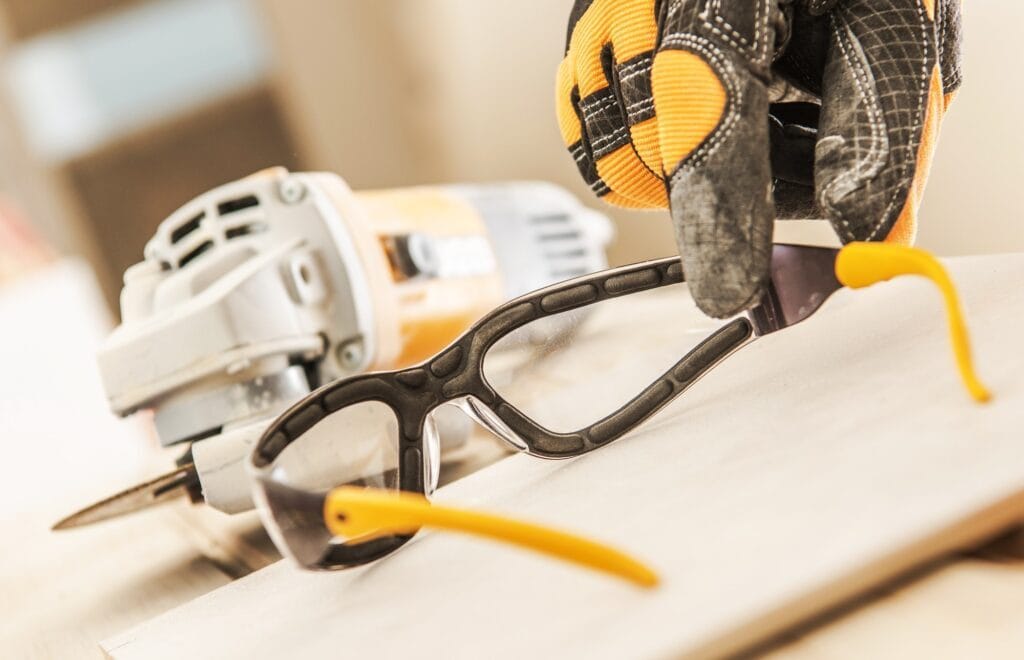
Another common workplace injury is to the eyes. Glasses that meet ANSI standards will have marking on both lenses and on the frame to clearly note that they pass muster. Eyewear like the Z87 safety glasses will be clearly marked as being able to protect the wearer from specific threats. Some common eye dangers include concrete and glass or metal particulate that may become airborne. Any locations that may deal with chemicals, smoke, gasses, heat, or flame are prone to eye accidents. And lastly, if there is a risk of falling objects, big or small, eye protection is a must. Eye protection ranges the gamut from simple glasses with side protection to goggles to whole-face shields.
First Aid Kits
Minor problems such as nicks, cuts, and scrapes are inevitable. Additionally, you may even run into more serious issues such as burns or eye contamination. In such an event, having an ANSI approved first-aid kit is important for the immediate treatment of smaller injuries. This reduces the likelihood of them becoming more serious through infection or neglect. Aid stations are broken down by letter class. Class A units include most basic first aid stocks for light injuries, while Class B units include a bigger stock for higher risk areas that may encounter more severe injuries. Additional burn and eye station gear can also be added.
Employee safety is job number one for any manager. ANSI safety standards are the gold medal for safety gear and provide a level of comfort and trust for customers and users. When stocking up on safety supplies, ensure that they all meet ANSI regulations to keep your employees safe.

Anderson Engineering provided civil, structural design, and coordination for other design disciplines for the new manufacturing and repair facilities at Hill Air Force Base. In conjunction with Coast Machinery, Anderson was a prime consultant for relocating critical manufacturing equipment from Pico Rivera, California to Utah. Existing base manufacturing buildings were
Conventional technologies are those that have a successful track record in mine site cleanup and site remediation. At Anderson, we have implemented many of these technologies and methods on over 100 different remediation projects across the Western United States. Landfill Disposal Landfills are waste management units, usually dug into the ground, but include
Ensure compliance with your structural engineering projects using our comprehensive checklist. Streamline your workflow and enhance project success today!
american national standards institute, hard hat, occupational safety and health administration, occupational safety and health, helmet, injury, personal protective equipment, safety, hazard, construction, high voltage, hat, voltage, risk, international safety equipment association, health administration, ansi, strap, dielectric, construction worker, workplace, inspection, glass, mountaineering, chin, headband, electricity, penetration test, heat, glove, color, cap, foam, quick view, cart, regulatory compliance, force, brand, manufacturing, welding, polycarbonate, mont blanc, headgear, gear, stock, wear, ratchet, ventilation, customer service, customer, canada, graphite, msa safety, visibility, plastic, polyethylene, eye protection, confined space, textile, code of federal regulations, electrical conductor, ultraviolet, hard hat safety, javascript
Frequently Asked Questions
Are ANSI approved hard hats required for construction workers?
ANSI-approved hard hats are essential for construction workers, as they are required by OSHA regulations to ensure safety on job sites. Compliance with ANSI standards helps protect workers from head injuries caused by falling objects and other hazards.
How often should ANSI approved hard hats be inspected?
The frequency of inspecting ANSI-approved hard hats is vital for safety. Hard hats should be inspected before each use and at least annually to identify any signs of wear or damage, ensuring ongoing protection for workers.
What type of hard hat is not ANSI approved for electrical work?
Hard hats that are classified as Type I are not ANSI approved for electrical work, as they are designed primarily for impact protection and do not provide the electrical insulation necessary for safer use in electrical environments.
Are ANSI approved hard hats required by OSHA?
ANSI-approved hard hats are required by OSHA in workplaces where there is a risk of head injury. Compliance with ANSI standards ensures that hard hats provide adequate protection to workers, aligning safety equipment with regulatory requirements.
What are the differences between ANSI and OSHA hard hats?
The differences between ANSI and OSHA hard hats lie primarily in their standards and testing criteria. OSHA outlines general safety regulations, while ANSI specifies performance requirements, including impact resistance and electrical protection levels, ensuring comprehensive worker safety.
What are the different types of ANSI approved hard hats?
The different types of ANSI-approved hard hats include Type I, which offers protection from vertical impacts, and Type II, which provides protection from both vertical and lateral impacts. Additionally, hard hats are designated by classes—Class G for general use, Class E for electrical protection, and Class C for conductive environments.
How to identify ANSI approved hard hats?
Identifying ANSI approved hard hats involves checking for the ANSI label, which certifies compliance with applicable safety standards. Look for the label inside the hard hat indicating its type and compliance with ANSI/ISEA Z89.1 standards.
Are all construction hard hats ANSI approved?
Not all construction hard hats are ANSI approved. Only those that meet the stringent safety standards set by the American National Standards Institute (ANSI) are certified for use, ensuring adequate protection for workers on construction sites.
What hard hat materials are not ANSI approved for safety?
Hard hat materials that are not ANSI approved for safety include plastics that do not meet impact resistance standards, such as low-density polyethylene (LDPE) and certain untested composites. Always ensure compliance with ANSI standards for optimal worker protection.
What type of hard hat is not ANSI approved for construction sites?
Hard hats not ANSI approved for construction sites include those made from materials not meeting impact or electrical performance standards, such as homemade or decorative hats. Always ensure hard hats comply with ANSI Z89.1 criteria for safety.
What makes a hard hat ANSI approved?
A hard hat is ANSI approved when it meets rigorous safety standards set by the American National Standards Institute, including tests for impact resistance, penetration, and electrical protection to ensure effective head protection for workers in various environments.
Which industries require ANSI approved hard hats?
Certain industries that require ANSI-approved hard hats include construction, manufacturing, electrical, oil and gas, and mining. These sectors prioritize worker safety and compliance with safety standards to prevent head injuries in hazardous environments.
How do I choose an ANSI hard hat?
Choosing an ANSI hard hat involves assessing the specific hazards of your work environment, selecting the appropriate type (Type I or Type II), ensuring it meets ANSI Z89.1 standards, and choosing a comfortable size and fit for optimal protection.
What is the lifespan of ANSI approved hard hats?
The lifespan of ANSI-approved hard hats typically ranges from 2 to 5 years, depending on usage, environmental conditions, and maintenance. Regular inspections and proper care can help ensure their effectiveness in protecting against workplace hazards.
Can I wear a hard hat without ANSI certification?
Wearing a hard hat without ANSI certification is not advisable. ANSI-certified hard hats are designed to meet specific safety standards, ensuring optimal protection for workers in hazardous environments. Non-certified hats may not provide adequate safety.
What features qualify a hard hat as ANSI approved?
The features that qualify a hard hat as ANSI approved include meeting specific impact resistance and electrical insulation standards, having a proper suspension system for comfort and fit, and being manufactured from materials that meet designated strength and durability requirements.
What is the main purpose of ANSI approval?
The main purpose of ANSI approval is to establish safety standards for equipment, ensuring it meets rigorous criteria for quality and effectiveness. This approval helps protect workers by promoting compliance with industry regulations and enhancing workplace safety.
Are there exceptions for using non-ANSI hard hats?
Exceptions for using non-ANSI hard hats do exist, but they are limited. In certain specialized environments where ANSI hard hats may not offer the required protection, alternative headgear may be permitted, provided it meets equivalent safety standards.
How to maintain ANSI approved hard hats?
Maintaining ANSI-approved hard hats involves regular inspections for cracks or defects, cleaning with mild soap and water, and storing them in a cool, dry place away from direct sunlight to ensure their effectiveness and longevity.
What inspections are required for hard hats?
Inspections required for hard hats include a visual check for cracks, dents, or other damage, as well as verifying that the suspension system is intact and functional. Regular inspections ensure compliance with ANSI standards and maintain worker safety.
Do ANSI approved hard hats protect against all impacts?
ANSI approved hard hats do not protect against all impacts. They are designed to provide protection against specific types of hazards, such as falling objects and electrical shock, but may not be effective against all forms of impact or force.
What happens if a hard hat isnt ANSI approved?
Using a hard hat that isn’t ANSI approved compromises worker safety, as it may not provide adequate protection against head injuries. Inadequate equipment can lead to severe injuries and legal liabilities for employers.
What are the consequences of using non-ANSI hard hats?
The consequences of using non-ANSI hard hats include increased risk of head injuries, potential legal liabilities, and non-compliance with safety regulations. Such hard hats may not provide adequate protection, jeopardizing worker safety in hazardous environments.
How to report faulty ANSI approved hard hats?
Reporting faulty ANSI-approved hard hats involves contacting the manufacturer or supplier directly. Provide details of the defect and any relevant purchase information to ensure proper handling and resolution.
Can hard hats be reconditioned for ANSI approval?
Hard hats can be reconditioned for ANSI approval if they meet specific safety and performance criteria set by ANSI standards. It's essential to have them inspected and certified by an accredited reconditioning service to ensure they remain compliant and safe for use.
Why trust ANSI standards for hard hats?
The trust in ANSI standards for hard hats stems from their rigorous testing and certification processes, ensuring that these protective headgear meet essential safety criteria to effectively safeguard workers in hazardous environments.
What does ANSI label indicate for hard hats?
The ANSI label on hard hats indicates compliance with specific safety standards set by the American National Standards Institute. This label ensures that the hard hat meets performance criteria for impact resistance, electrical protection, and overall durability to safeguard workers in hazardous environments.
How are hard hats tested for ANSI compliance?
Hard hats are tested for ANSI compliance through a series of rigorous inspections that assess their impact resistance, electrical insulation, and flammability. These tests ensure the helmets meet established safety standards, providing reliable protection for workers.
Are there different ANSI standards for helmets?
There are indeed different ANSI standards for helmets, specifically designed to address various levels of protection and types of hazards in different industries. These standards ensure that helmets meet the necessary safety requirements for effective worker safety.
How do manufacturers obtain ANSI approval for hard hats?
Manufacturers obtain ANSI approval for hard hats by ensuring their products meet specific safety standards through rigorous testing and certification processes conducted by accredited laboratories, followed by thorough documentation to confirm compliance with ANSI guidelines.
ansi approved hard hats, what type of hard hats are not ansi approved, what type of hard hat is not ansi approved, ansi standard for hard hats, which hard hats are not ansi approved, ansi certified hard hats, ansi hard hat standard
american national standards institute, hard hat, occupational safety and health administration, occupational safety and health, helmet, injury, personal protective equipment, safety, hazard, construction, high voltage, hat, voltage, risk, international safety equipment association, health administration, ansi, strap, dielectric, construction worker, workplace, inspection, glass, mountaineering, chin, headband, electricity, penetration test, heat, glove, color, cap, foam, quick view, cart, regulatory compliance, force, brand, manufacturing, welding, polycarbonate, mont blanc, headgear, gear, stock, wear, ratchet, ventilation, customer service, customer, canada, graphite, msa safety, visibility, plastic, polyethylene, eye protection, confined space, textile, code of federal regulations, electrical conductor, ultraviolet, hard hat safety, javascript
Frequently Asked Questions
Are ANSI approved hard hats required for construction workers?
ANSI-approved hard hats are essential for construction workers, as they are required by OSHA regulations to ensure safety on job sites. Compliance with ANSI standards helps protect workers from head injuries caused by falling objects and other hazards.
How often should ANSI approved hard hats be inspected?
The frequency of inspecting ANSI-approved hard hats is vital for safety. Hard hats should be inspected before each use and at least annually to identify any signs of wear or damage, ensuring ongoing protection for workers.
What type of hard hat is not ANSI approved for electrical work?
Hard hats that are classified as Type I are not ANSI approved for electrical work, as they are designed primarily for impact protection and do not provide the electrical insulation necessary for safer use in electrical environments.
Are ANSI approved hard hats required by OSHA?
ANSI-approved hard hats are required by OSHA in workplaces where there is a risk of head injury. Compliance with ANSI standards ensures that hard hats provide adequate protection to workers, aligning safety equipment with regulatory requirements.
What are the differences between ANSI and OSHA hard hats?
The differences between ANSI and OSHA hard hats lie primarily in their standards and testing criteria. OSHA outlines general safety regulations, while ANSI specifies performance requirements, including impact resistance and electrical protection levels, ensuring comprehensive worker safety.
What are the different types of ANSI approved hard hats?
The different types of ANSI-approved hard hats include Type I, which offers protection from vertical impacts, and Type II, which provides protection from both vertical and lateral impacts. Additionally, hard hats are designated by classes—Class G for general use, Class E for electrical protection, and Class C for conductive environments.
How to identify ANSI approved hard hats?
Identifying ANSI approved hard hats involves checking for the ANSI label, which certifies compliance with applicable safety standards. Look for the label inside the hard hat indicating its type and compliance with ANSI/ISEA Z89.1 standards.
Are all construction hard hats ANSI approved?
Not all construction hard hats are ANSI approved. Only those that meet the stringent safety standards set by the American National Standards Institute (ANSI) are certified for use, ensuring adequate protection for workers on construction sites.
What hard hat materials are not ANSI approved for safety?
Hard hat materials that are not ANSI approved for safety include plastics that do not meet impact resistance standards, such as low-density polyethylene (LDPE) and certain untested composites. Always ensure compliance with ANSI standards for optimal worker protection.
What type of hard hat is not ANSI approved for construction sites?
Hard hats not ANSI approved for construction sites include those made from materials not meeting impact or electrical performance standards, such as homemade or decorative hats. Always ensure hard hats comply with ANSI Z89.1 criteria for safety.
What makes a hard hat ANSI approved?
A hard hat is ANSI approved when it meets rigorous safety standards set by the American National Standards Institute, including tests for impact resistance, penetration, and electrical protection to ensure effective head protection for workers in various environments.
Which industries require ANSI approved hard hats?
Certain industries that require ANSI-approved hard hats include construction, manufacturing, electrical, oil and gas, and mining. These sectors prioritize worker safety and compliance with safety standards to prevent head injuries in hazardous environments.
How do I choose an ANSI hard hat?
Choosing an ANSI hard hat involves assessing the specific hazards of your work environment, selecting the appropriate type (Type I or Type II), ensuring it meets ANSI Z89.1 standards, and choosing a comfortable size and fit for optimal protection.
What is the lifespan of ANSI approved hard hats?
The lifespan of ANSI-approved hard hats typically ranges from 2 to 5 years, depending on usage, environmental conditions, and maintenance. Regular inspections and proper care can help ensure their effectiveness in protecting against workplace hazards.
Can I wear a hard hat without ANSI certification?
Wearing a hard hat without ANSI certification is not advisable. ANSI-certified hard hats are designed to meet specific safety standards, ensuring optimal protection for workers in hazardous environments. Non-certified hats may not provide adequate safety.
What features qualify a hard hat as ANSI approved?
The features that qualify a hard hat as ANSI approved include meeting specific impact resistance and electrical insulation standards, having a proper suspension system for comfort and fit, and being manufactured from materials that meet designated strength and durability requirements.
What is the main purpose of ANSI approval?
The main purpose of ANSI approval is to establish safety standards for equipment, ensuring it meets rigorous criteria for quality and effectiveness. This approval helps protect workers by promoting compliance with industry regulations and enhancing workplace safety.
Are there exceptions for using non-ANSI hard hats?
Exceptions for using non-ANSI hard hats do exist, but they are limited. In certain specialized environments where ANSI hard hats may not offer the required protection, alternative headgear may be permitted, provided it meets equivalent safety standards.
How to maintain ANSI approved hard hats?
Maintaining ANSI-approved hard hats involves regular inspections for cracks or defects, cleaning with mild soap and water, and storing them in a cool, dry place away from direct sunlight to ensure their effectiveness and longevity.
What inspections are required for hard hats?
Inspections required for hard hats include a visual check for cracks, dents, or other damage, as well as verifying that the suspension system is intact and functional. Regular inspections ensure compliance with ANSI standards and maintain worker safety.
Do ANSI approved hard hats protect against all impacts?
ANSI approved hard hats do not protect against all impacts. They are designed to provide protection against specific types of hazards, such as falling objects and electrical shock, but may not be effective against all forms of impact or force.
What happens if a hard hat isnt ANSI approved?
Using a hard hat that isn’t ANSI approved compromises worker safety, as it may not provide adequate protection against head injuries. Inadequate equipment can lead to severe injuries and legal liabilities for employers.
What are the consequences of using non-ANSI hard hats?
The consequences of using non-ANSI hard hats include increased risk of head injuries, potential legal liabilities, and non-compliance with safety regulations. Such hard hats may not provide adequate protection, jeopardizing worker safety in hazardous environments.
How to report faulty ANSI approved hard hats?
Reporting faulty ANSI-approved hard hats involves contacting the manufacturer or supplier directly. Provide details of the defect and any relevant purchase information to ensure proper handling and resolution.
Can hard hats be reconditioned for ANSI approval?
Hard hats can be reconditioned for ANSI approval if they meet specific safety and performance criteria set by ANSI standards. It's essential to have them inspected and certified by an accredited reconditioning service to ensure they remain compliant and safe for use.
Why trust ANSI standards for hard hats?
The trust in ANSI standards for hard hats stems from their rigorous testing and certification processes, ensuring that these protective headgear meet essential safety criteria to effectively safeguard workers in hazardous environments.
What does ANSI label indicate for hard hats?
The ANSI label on hard hats indicates compliance with specific safety standards set by the American National Standards Institute. This label ensures that the hard hat meets performance criteria for impact resistance, electrical protection, and overall durability to safeguard workers in hazardous environments.
How are hard hats tested for ANSI compliance?
Hard hats are tested for ANSI compliance through a series of rigorous inspections that assess their impact resistance, electrical insulation, and flammability. These tests ensure the helmets meet established safety standards, providing reliable protection for workers.
Are there different ANSI standards for helmets?
There are indeed different ANSI standards for helmets, specifically designed to address various levels of protection and types of hazards in different industries. These standards ensure that helmets meet the necessary safety requirements for effective worker safety.
How do manufacturers obtain ANSI approval for hard hats?
Manufacturers obtain ANSI approval for hard hats by ensuring their products meet specific safety standards through rigorous testing and certification processes conducted by accredited laboratories, followed by thorough documentation to confirm compliance with ANSI guidelines.
ansi approved hard hats, what type of hard hats are not ansi approved, what type of hard hat is not ansi approved, ansi standard for hard hats, which hard hats are not ansi approved, ansi certified hard hats, ansi hard hat standard